
A home is much more than four walls and a roof; it is a canvas for your life’s stories. Whether it is a sprawling duplex in Bashundhara or a compact apartment in Dhanmondi, the furniture you choose brings these stories to life. It dictates the flow of your morning rush, the comfort of your evening relaxation, and the warmth of your hospitality.
However, selecting the perfect furniture in Bangladesh is an art form that requires more than just good taste. It requires a deep understanding of our unique environmental challenges, spatial constraints, and cultural nuances. From the humidity of the monsoon season affecting wood quality to the dust of Dhaka influencing fabric choices, the variables are endless.
With a myriad of options available—from the ready-made showrooms of Panthapath to bespoke carpentry solutions—navigating the market can be overwhelming. To help you cut through the confusion, we have compiled an in-depth guide tailored specifically for the Bangladeshi homeowner. Here is how to curate a home that is as functional as it is beautiful.
1. Space Planning: The Reality of Dhaka Apartments
Before you fall in love with a massive Victorian-style sofa or a heavy Segun (Teak) wood dining table, you must pause and assess your canvas. In rapidly urbanizing cities like Dhaka and Chittagong, floor space is a luxury. Modern flats often feature open-plan living and dining areas, but they may also come with structural columns or awkward corners that challenge standard furniture placement.

Measure Twice, Buy Once
The first rule of thumb is precise measurement. Use a steel tape to measure not just the room dimensions, but also the walls, doorways, windows, and built-in elements like cabinets or prayer niches.
- The Entryway Challenge: Many buildings in older areas like Mohammadpur or even new developments in Uttara have compact lifts and narrow staircases. Ensure your furniture can actually fit through the door. If access is tight, consider modular furniture that can be assembled on-site.
- Vertical Space: Don’t overlook the height of your ceiling. If you plan to install floor-to-ceiling units or tall bookshelves, remember to account for ceiling fans and false ceiling drops for AC ducts.
- Circulation Space: In interior design Bangladesh contexts, “negative space” (empty space) is crucial. Ensure you leave at least 2-3 feet of walking path between major furniture pieces to avoid a cluttered, claustrophobic feel.
Visualizing the Layout
Having a floor plan is a significant advantage. If you are working with an interior design firm in Bangladesh, they will likely provide 2D layouts or 3D visualizations. This helps you understand exactly how much space you can spare for existing heirlooms versus new acquisitions without compromising easy movement.
2. Lifestyle and Cultural Considerations
Your furniture must serve the way you live, not just look good in a catalog. The Bangladeshi lifestyle is community-oriented, often involving extended families and frequent guests.
The “Adda” Factor
If you frequently host friends and family for evening tea or dinner parties, your living room needs ample seating. However, stuffing the room with sofas isn’t the only solution. Consider versatile pieces like ottomans or poufs that can be tucked away when not in use. A sectional sofa might work well in a large Gulshan apartment, but a mix of a three-seater and accent chairs offers more flexibility for conversation in smaller spaces.
Multi-Generational Living
Many of us live with elderly parents or young children.
- Safety First: For homes with toddlers, avoid glass-topped coffee tables or furniture with sharp, metal edges. Opt for rounded corners and sturdy bases.
- Accessibility: For the elderly, low-slung modern sofas can be difficult to get in and out of. Ensure there is at least one supportive, higher-seat chair with armrests in the common area.
Durability for High-Traffic Homes
If you have a busy household with pets or kids, delicate silk upholstery or high-maintenance velvet might not be practical. In the dusty environment of Dhaka, easy-to-clean fabrics or removable, washable covers are a lifesaver. Leather (or high-quality faux leather) is also a popular choice for its ability to be wiped down, though it can get sticky in the summer heat without constant air conditioning.

3. Climate Resilience: The Monsoon Factor
One distinct challenge for home interior design in Bangladesh is the climate. High humidity, intense heat, and the monsoon season wreak havoc on improper materials.
Wood Selection
- Solid Wood: Traditional woods like Segun (Teak), Gamari, and Mahogany are prized for their longevity. However, they must be properly seasoned. Unseasoned wood will warp, swell, or crack during humidity fluctuations.
- Engineered Wood: For a more modern, budget-friendly look, many opt for MDF or marine-grade plywood. While these offer sleek finishes, low-quality particle board can swell and disintegrate if exposed to moisture from floor mopping or humid air. Always ensure the edges are sealed with high-quality PVC banding.
Pest Control
Termites and wood-boring insects are common issues in our region. Whether you are choosing a bed for the master suite or cabinets for kitchen interior design, ensure the materials have been chemically treated against pests. This is where investing in quality pays off in the long run.
4. Functionality is Key
You might admire a minimalist Italian chair you saw online, but does it suit your needs? Functionality should never be sacrificed for aesthetics.
Dual-Purpose Furniture
In Dhaka’s real estate market, square footage is expensive. Furniture that multitasks is essential.
- Storage Beds: Beds with hydraulic lift storage or drawers are perfect for storing winter blankets (Katha) and guest bedding.
- Dining Consoles: A dining sideboard can serve as a buffet station during parties and a storage unit for crockery year-round.
- Sofa-Cum-Beds: Essential for the guest room or study, allowing you to accommodate relatives staying over for holidays.
Ergonomics and Comfort
Functionality also extends to physical health. A dining chair might look sculptural and chic, but if it gives you a backache after a 20-minute meal, it is a bad investment. Test furniture before buying. Sit on the sofa, lie on the mattress, and check the height of the desk. Your furniture should support your posture and relaxation.
5. Studying Scale and Proportion
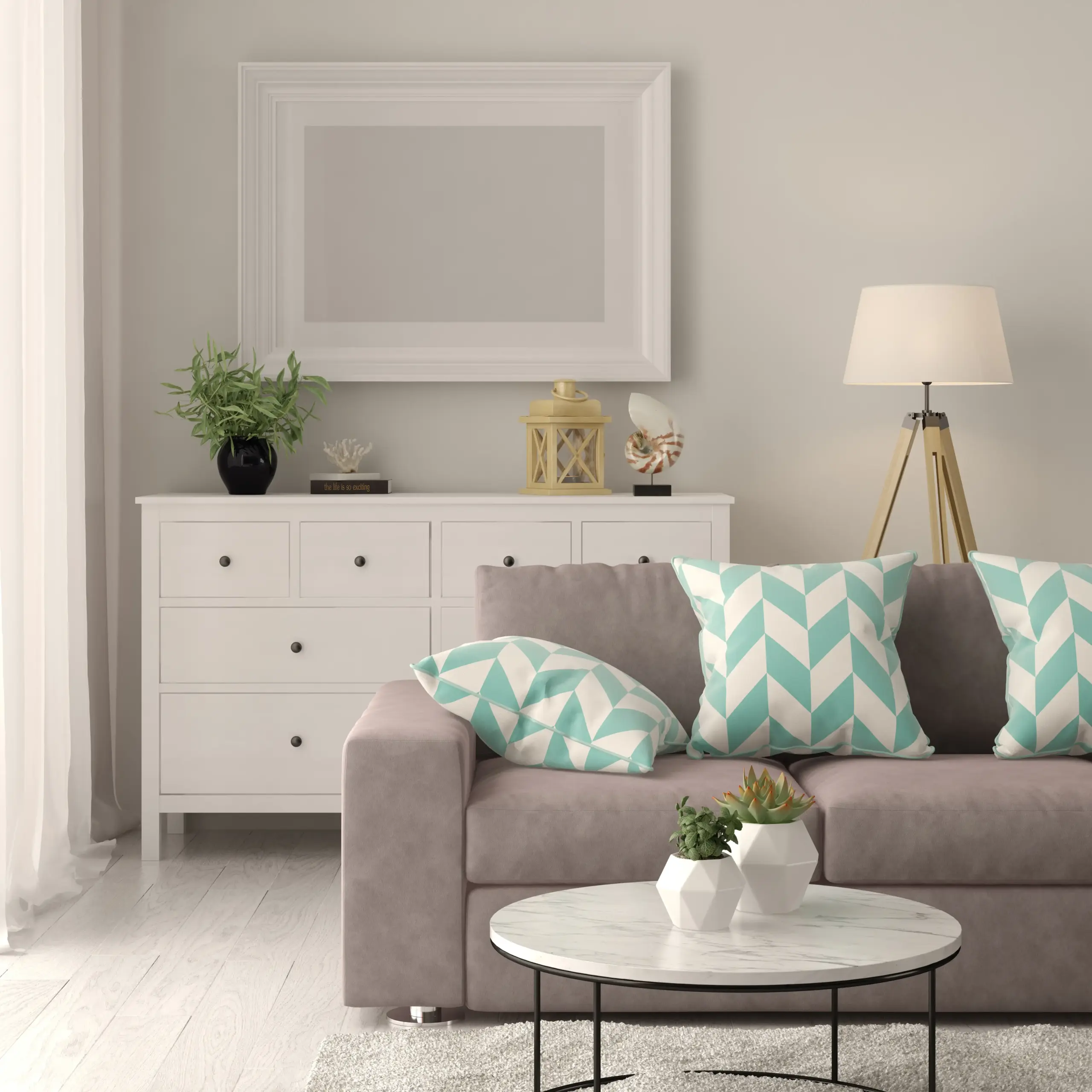
One of the most common mistakes DIY decorators make is ignoring scale. Overstuffing a small room with large, heavy furniture makes the space feel cramped, while placing tiny, delicate furniture in a large open-plan room makes it look sparse and uninviting.
Balancing Weights
Every room needs a balance of “visual weight.” If you have a heavy, wooden almirah on one side of the bedroom, balance it with a substantial bed or a large piece of art on the opposite wall.
- The Floating Effect: In smaller rooms, furniture with visible legs (raised off the floor) creates a sense of openness because you can see the floor extend underneath. Boxy furniture that sits flush with the floor can make a small room feel smaller.
6. Defining Your Style Statement
While trends come and go, your home should reflect your personality. Bangladesh has a rich history of craftsmanship, and blending this with modern design creates stunning results.
Modern vs. Traditional
- The Heritage Look: If you love the feel of a zamindar house or a cozy cabin, look for rustic furniture with earthy textures, intricate carvings, and warm wood tones.
- Contemporary Minimalist: For a sleek, modern apartment in Banani, go for clean lines, neutral palettes, and metal or glass accents.
- Fusion Style: Don’t be afraid to mix. A traditional antique chest looks striking next to a modern mid-century armchair. This eclectic approach is often used by top architectural firms in Bangladesh to create unique, curated spaces.
7. The Power of Color and Light
Furniture color plays a pivotal role in the ambiance of a room.
Harmonizing with Walls
If your flat has the standard off-white walls common in many rentals, you have a blank slate.
- Contrast: Dark wood or black furniture creates a classic, sophisticated contrast against light walls.
- Monochrome: Light wood or beige upholstery creates a soft, airy, and spacious feel—ideal for smaller rooms.
- Accent Pieces: Use an accent chair in a bold color like teal, mustard, or deep red to inject personality without overwhelming the space.
Lighting Considerations
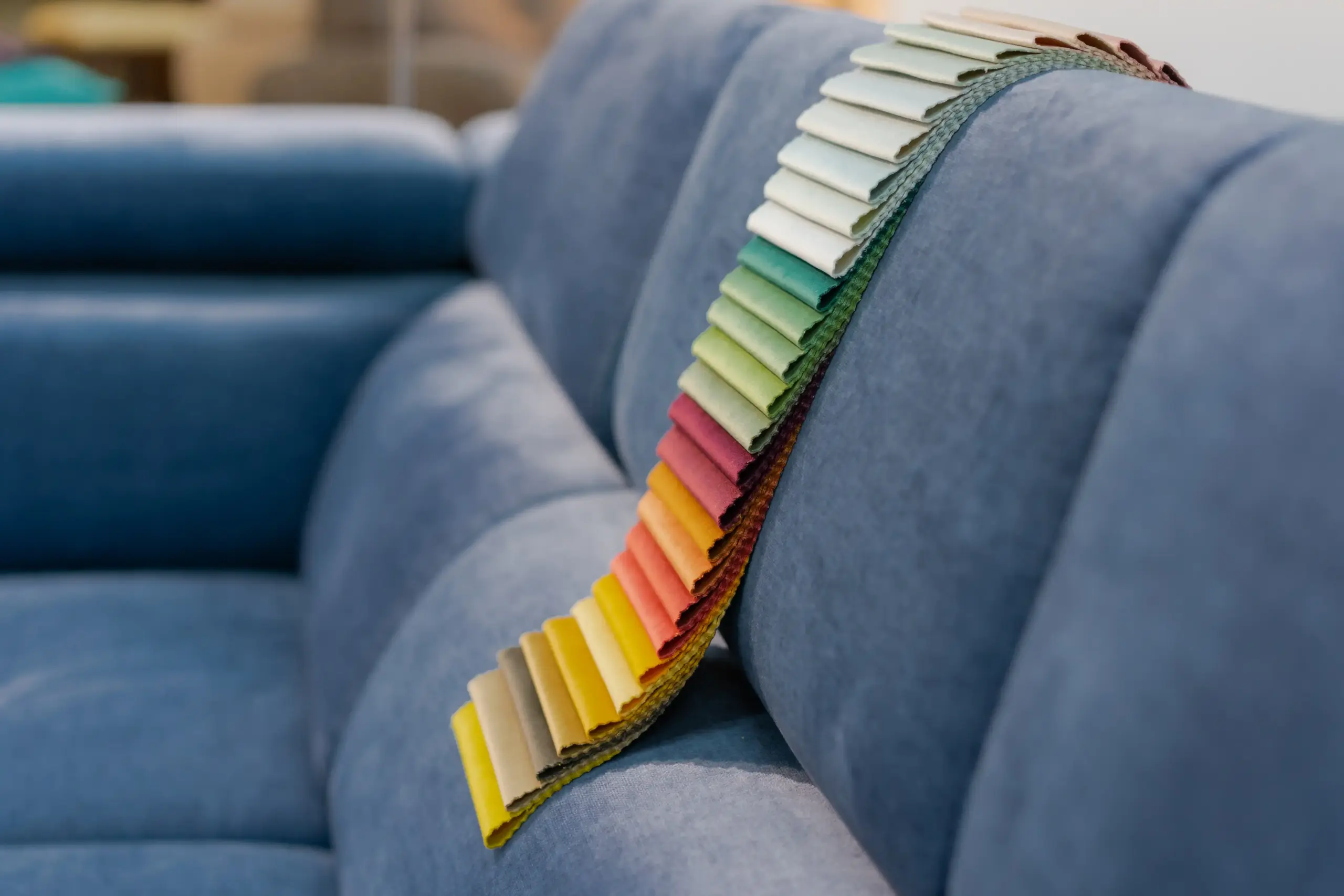
Remember that lighting in showrooms is vastly different from your home. A fabric that looks beige under the bright showroom lights might look grey in your dimly lit living room. Always look at fabric swatches in natural daylight if possible.
8. Quality Speaks: Investment vs. Cost
Furnishing a home is a significant financial undertaking. It is tempting to go for the cheapest option, but in the furniture world, you often get what you pay for.
Where to Splurge vs. Save
- Splurge: Invest in pieces you use every day—the sofa, the mattress, and the dining table. These need high-quality frames and foam that won’t sag after six months.
- Save: You can budget on accent pieces like side tables, poufs, or decorative shelving.
Avoid “fast furniture” made of low-density particle board for high-humidity areas like bathrooms or balconies. They are not built to last in the Bangladeshi climate and will require replacement quickly, costing you more over time.
9. Professional Help vs. DIY
Choosing furniture is fun, but pulling an entire home together can be stressful. This is where professional guidance becomes invaluable. An interior designer in Bangladesh does not just pick colors; they help you source the right materials, manage space planning, and ensure every piece fits perfectly within your architectural constraints.
Whether you need a turnkey solution where every spoon and sofa is selected for you, or just a consultation on layout, professional input can prevent expensive purchasing errors. This is where consulting with experienced interior designers in Dhaka can save you from costly mistakes and ensure your vision is executed flawlessly.
Conclusion: Patience is a Virtue
Finally, do not rush. Furnishing a home is a marathon, not a sprint. It is better to live with an empty corner for a month than to fill it with a piece of furniture you will regret later. Take your time to research, visit showrooms, and curate a list.
At DIT Studio, we understand the nuances of creating a home in Bangladesh. From navigating local climate challenges to maximizing space in urban apartments, our team is dedicated to crafting interiors that are functional, durable, and uniquely yours. Whether you are looking for a complete renovation or just the perfect bespoke furniture piece, planning ahead is the key to success.